

Pilates Training Essentials
Rethink Pilates For Your Clinical Practice
Melbourne 2026
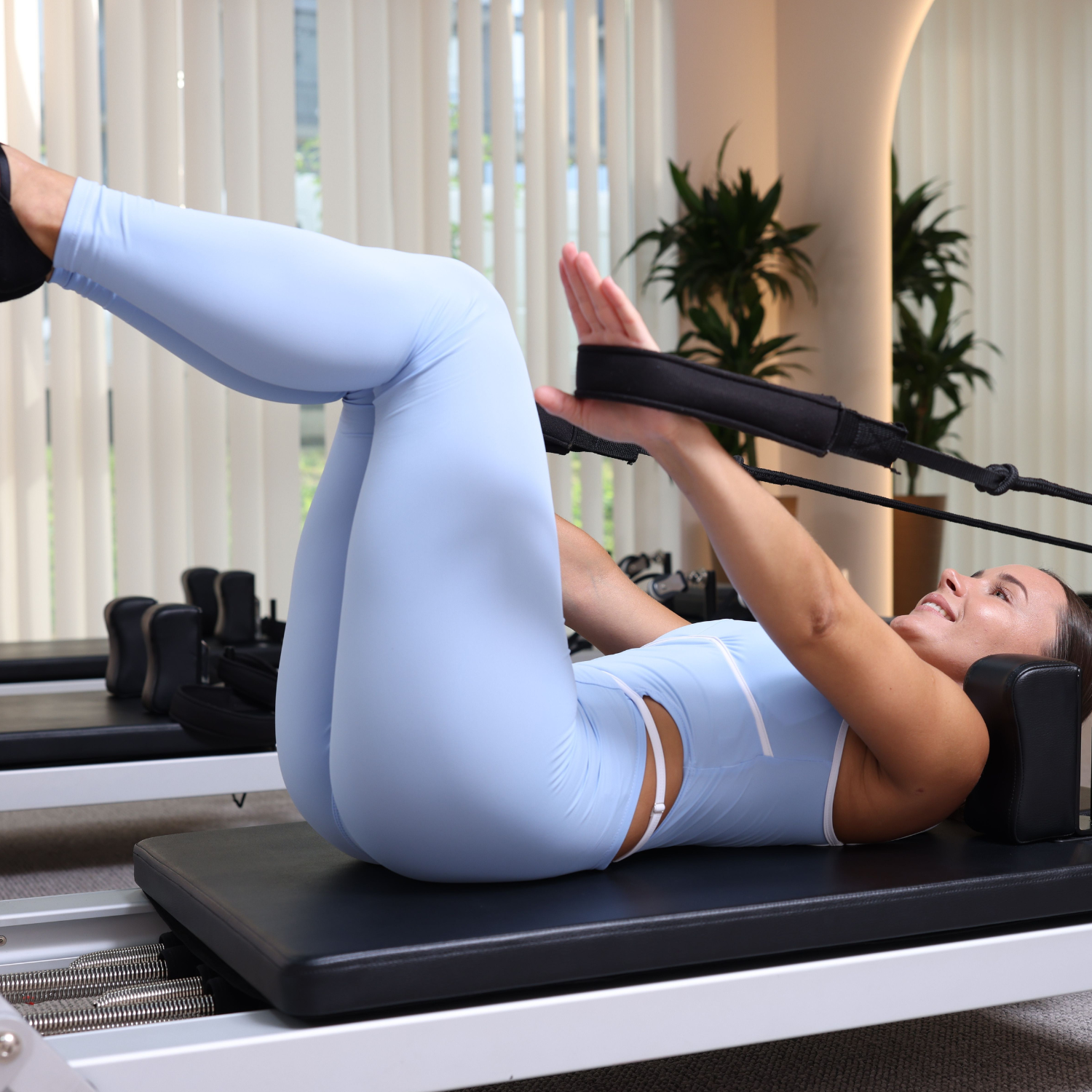
A Lack Of Pilates Repertoire Isn’t The Problem
Knowing when and how to use it is.
Master clinical decision-making for Pilates integration, systematic progression frameworks, and confident coaching. This is the workshop that transforms Pilates from "nice to have" into a clinical reasoning tool you can apply with confidence.
Course Content

-
When to choose Pilates vs other exercise modalities
Assessment framework for Pilates suitability
Patient selection and clinical decision-making,
Integrating Pilates into comprehensive rehab programs.
-
Essential Pilates principles for physiotherapy application
Movement quality assessment and cueing
Coaching isolated and integrated movement control
Clinical modifications for pathology presentations
-
Essential mat repertoire for clinical practice
Systematic progression framework for mat exercises
Clinical modifications for common musculoskeletal and sports presentations
Program design principles for mat-based rehabilitation
-
Essential reformer exercises for rehabilitation applications
Spring resistance principles and clinical decision-making
Systematic progression strategies on reformer
Equipment adaptation for different musculoskeletal and sports presentations.
-
Pilates session structure and programming principles
Integration with gym-based and functional training
Systematic progression across weeks and months
Managing load and complexity for clinical populations
-
Pilates coaching cues and movement corrections
Building patient confidence and autonomy
Troubleshooting common movement patterns
Real-world clinical integration and caseload management
Do These Pilates Patient Scenarios Sound Familiar?
Learn the Pilates skills to help them move forward.
-

David's Chronic Low Back Pain
He needs improved fitness, physcial capacity and movement confidence. He’s tried generic “core exercises” but consistency in training is poor. You think Pilates might help, but you're uncertain if it's clinically appropriate or just another health and fitness trend. How do you make that decision confidently?
-

Rebecca's Knee Osteoarthritis
She needs strength and movement quality but gym-based exercises feel too intimidating. You wonder if Pilates could provide the right loading environment, but you don't know how to progress systematically or when to transition her to traditional strength training.
-

Jennifer's Return To Activity Goal
At 58, she's been sedentary for years and wants to return to the gym. She needs movement foundations before loaded training, but you're unsure if Pilates is the right bridge or just delaying what she really needs. How do you integrate it strategically?
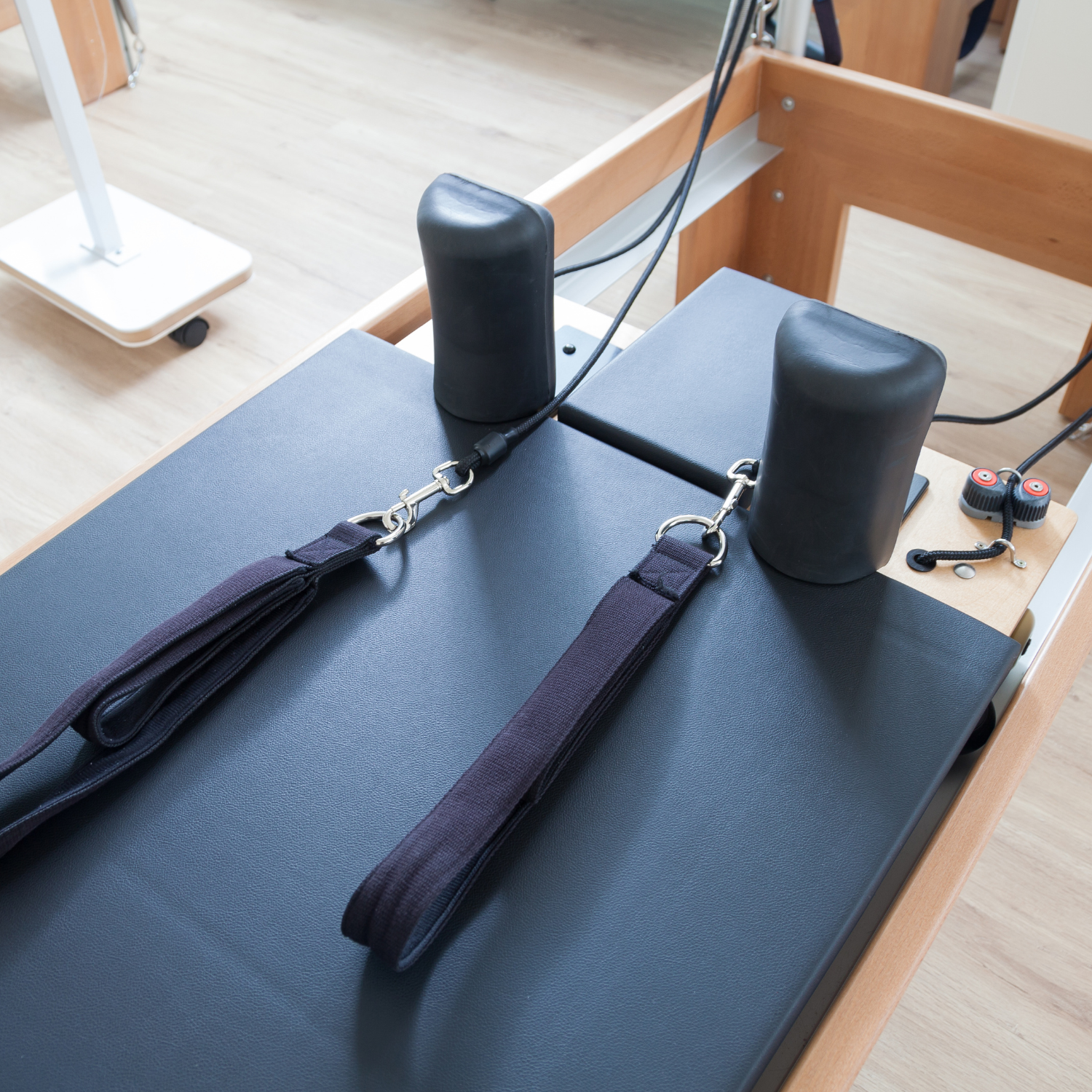
From Curious To Confident
Learn practical Pilates prescription that integrates with your exercise therapy approach. Develop systematic assessment for Pilates suitability, a framework for evidence-informed progression, and coaching techniques for mat and reformer Pilates.
Bridge the gap between traditional Pilates certification and a clinical approach to Pilates to injury rehabilitation.
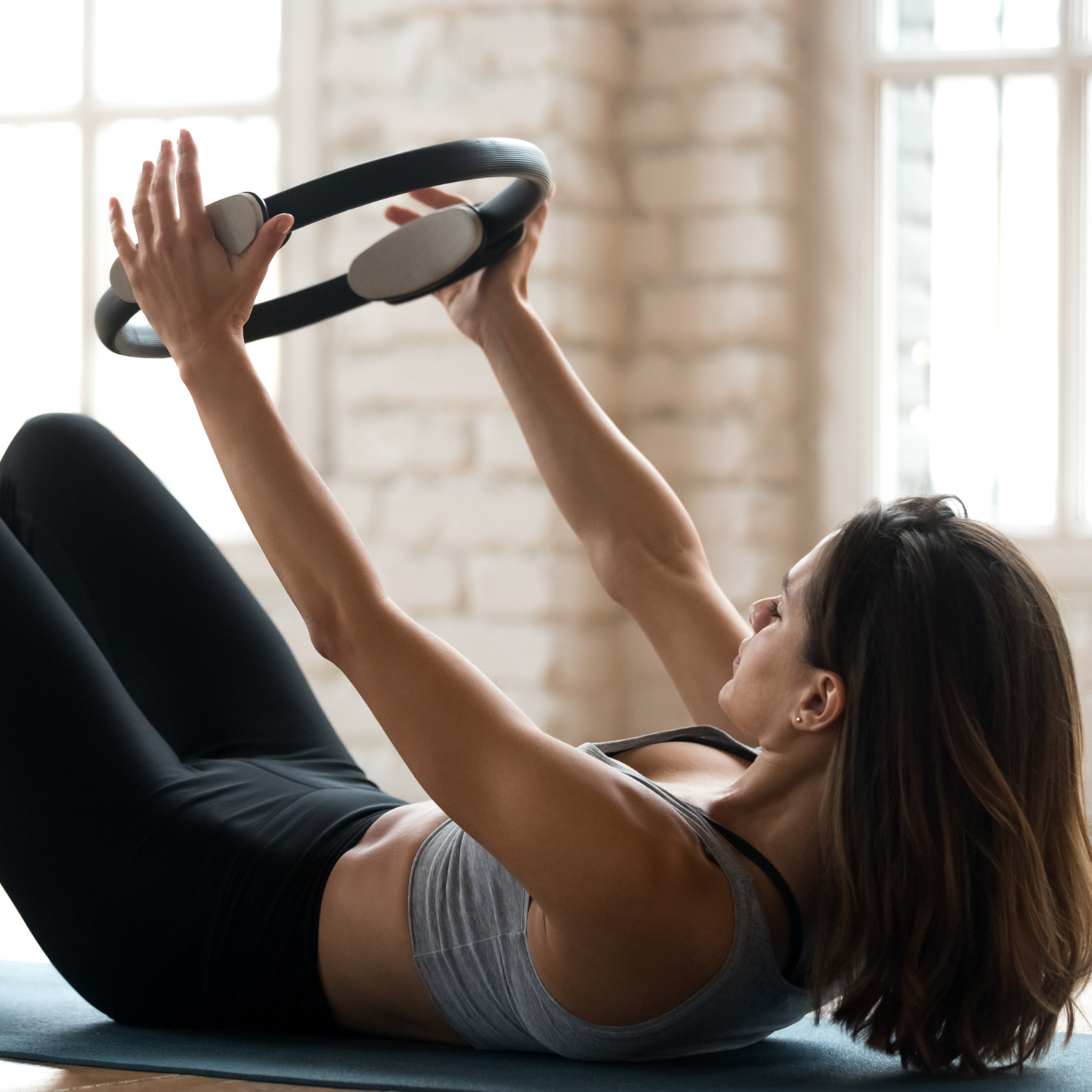
What You’ll Take Home
-
Pilates suitability assessment:
Systematic decision-making tool for determining when Pilates is appropriate vs other interventions, moving you from uncertainty to confident clinical reasoning.
Mat Pilates essential exercise guide:
Core mat exercises for clinical rehabilitation with systematic progressions, modifications for common pathologies, and clinical reasoning for exercise selection.
Reformer Pilates essential exercise guide:
Essential reformer exercises with spring selection principles, progression frameworks, and clinical modifications for different presentations
Focused on rehabilitation, not comprehensive repertoire.
Systematic progression:
Evidence-informed framework for progressing mat / reformer Pilates exercises based on movement quality, load capacity, and patient readiness.
Pilates session template:
Format for individual session design including warm-up principles, main work organisation, and integration strategies
Immediately usable with your next Pilates patient.
Weekly and monthly program design outline:
How to integrate Pilates across weeks and months within broader rehabilitation programs
Includes guidance on frequency, intensity, and transition planning.
Patient scenario clinical reasoning guides:
Complete case studies with clinical reasoning pathways for different patient types
-
Complete course workbook:
Digital workbook with access to all course content and resources
Mat and reformer exercise libraries:
Comprehensive visual guides for essential mat and reformer exercises including:
Starting positions and setup
Key coaching cues and common corrections
Systematic progressions and regressions
Clinical modifications for different pathologies
Reformer spring settings and equipment variations
Movement quality assessment tools:
Systematic observation frameworks for assessing Pilates movement quality - what to look for, how to identify compensations, and when movement is clinically adequate.
Evidence summaries:
Key research supporting Pilates for clinical populations, systematic reviews on effectiveness for different conditions, and evidence-informed practice guidelines.
Implementation planning resources:
30-day and 90-day integration guides for incorporating Pilates into your existing practice without overwhelming yourself or requiring immediate equipment investment.
-
30-Day implementation email support:
Direct access for questions as you begin integrating Pilates into clinical practice
Troubleshooting support during critical implementation period.
Resource library access:
Ongoing access to updated exercise progressions, evidence summaries, and new clinical application strategies as research evolves.
Professional network connection:
Join practitioners implementing clinical Pilates confidently; peer support, implementation troubleshooting, and shared learning opportunities.
CPD documentation:
Certificate of completion include number of hours completed
This isn't just two days of Pilates training - it's clinical reasoning mastery that transforms Pilates from uncertain territory into a confident clinical tool.
Your Instructor

John Contreras
APA Sports & Exercise Physiotherapist
B.Physio (Hons) B.Sc M.ExSci (Strength & Conditioning) M.Sports Physio
John created this workshop after seeing too many physiotherapists intimidated by Pilates or overwhelmed by lengthy instructor certifications that focussed on aspects of Pilates not specific to clinical practice.
With 24 years of clinical experience integrating Pilates into physiotherapy practice, John has developed accessible, evidence-informed approaches that bridge traditional Pilates training with clinical reasoning. His workshops focus on practical application and systematic decision-making, helping physiotherapists confidently integrate Pilates as a clinical tool rather than memorising comprehensive repertoire
This workshop combines technical excellence with real-world application, helping early-career Physios, and those looking to refine their practice, develop both Pilates competence and confidence.
Who Is This Workshop For?
-
Physiotherapists who want to integrate Pilates into their clinical practice confidently
-
Exercise Prescription Essentials graduates seeking to expand their exercise therapy toolkit
-
Clinicians who want clinical reasoning frameworks, not just exercise repertoire
-
You’re new to Pilates and wanting essential clinical skills, not comprehensive instructor training.
-
Those frustrated by traditional certifications that are too long, expensive, or non-clinical
-
Practitioners ready to make Pilates a strategic clinical tool, not just an alternative option
Highly recommended to complete Exercise Prescription Essentials first.
Exercise Prescription Essentials provides the coaching foundations (fear-avoidance, self-efficacy, collaborative approaches) and program design strategies.
Pilates Training Essentials shows you how to apply those principles specifically to Pilates training contexts - movement control and co-ordination, low-load training, the the identity shift from rehab to training.
However, if you already have strong exercise prescription and patient engagement foundations from other training, you can take this as a standalone course. You'll learn Pilates-specific strategies even without Exercise Prescription Essentials.
Ready To Add Pilates To Your Clinical Tools?
Join the course waitlist for early access.
Pilates Training Essentials FAQs
-
This course is designed for Physiotherapists who want to integrate Pilates into their clinical practice with confidence. It's ideal if you're uncertain when to choose Pilates vs other interventions, how to progress systematically, or how to integrate Pilates into broader rehab programs. This is clinical reasoning training, not traditional Pilates certification.
-
We highly recommend it. Exercise Prescription Essentials provides the foundational patient engagement, exercise prescription, and program design frameworks that this workshop builds upon. EPE graduates can focus entirely on Pilates-specific clinical reasoning without re-covering fundamental concepts. However, if you already have strong exercise prescription foundations from other training, you can take this as a standalone course.
-
Yes, if you have solid exercise prescription foundations. We'll teach essential Pilates principles and exercises from the ground up, but we won't spend time on basic exercise prescription concepts (that's what EPE covers). You'll learn what you need to integrate Pilates clinically without prior Pilates experience.
-
Absolutely. Traditional certifications excel at teaching comprehensive repertoire but often lack clinical reasoning frameworks for Physiotherapy practice. This workshop teaches you when to choose Pilates vs other interventions, how to integrate it into rehab programs, and how to make systematic clinical decisions - skills traditional certifications don't address.
-
Traditional certifications are comprehensive, expensive, and time-intensive (often 50+ hours over months). They teach extensive repertoire with minimal clinical reasoning. This workshop is 2 days focused on essential exercises and clinical decision-making frameworks. You'll leave knowing when and how to use Pilates clinically, not just how to teach exercises.
-
This workshop qualifies you to integrate Pilates into your Physiotherapy practice with clinical reasoning and essential repertoire. It's not designed to make you a comprehensive Pilates instructor - it's designed to make Pilates a strategic tool in your exercise therapy approach. If you want to offer dedicated Pilates classes, traditional certification may be more appropriate.