

Strength Training Essentials
Coach With Confidence In Your Clinical Practice
Melbourne 2026

You Know Strength Training Matters
Now Learn How to Apply It Clinically.
Strength Training is essential for musculoskeletal and sports rehabilitation. You understand its importance and learned the exercises. Your challenge now lies in how to integrate strength training into clinical practice.
This is the course that bridges the gap between knowing strength training exercises and applying them effectively throughout your patient’s recovery journey.
Course Content
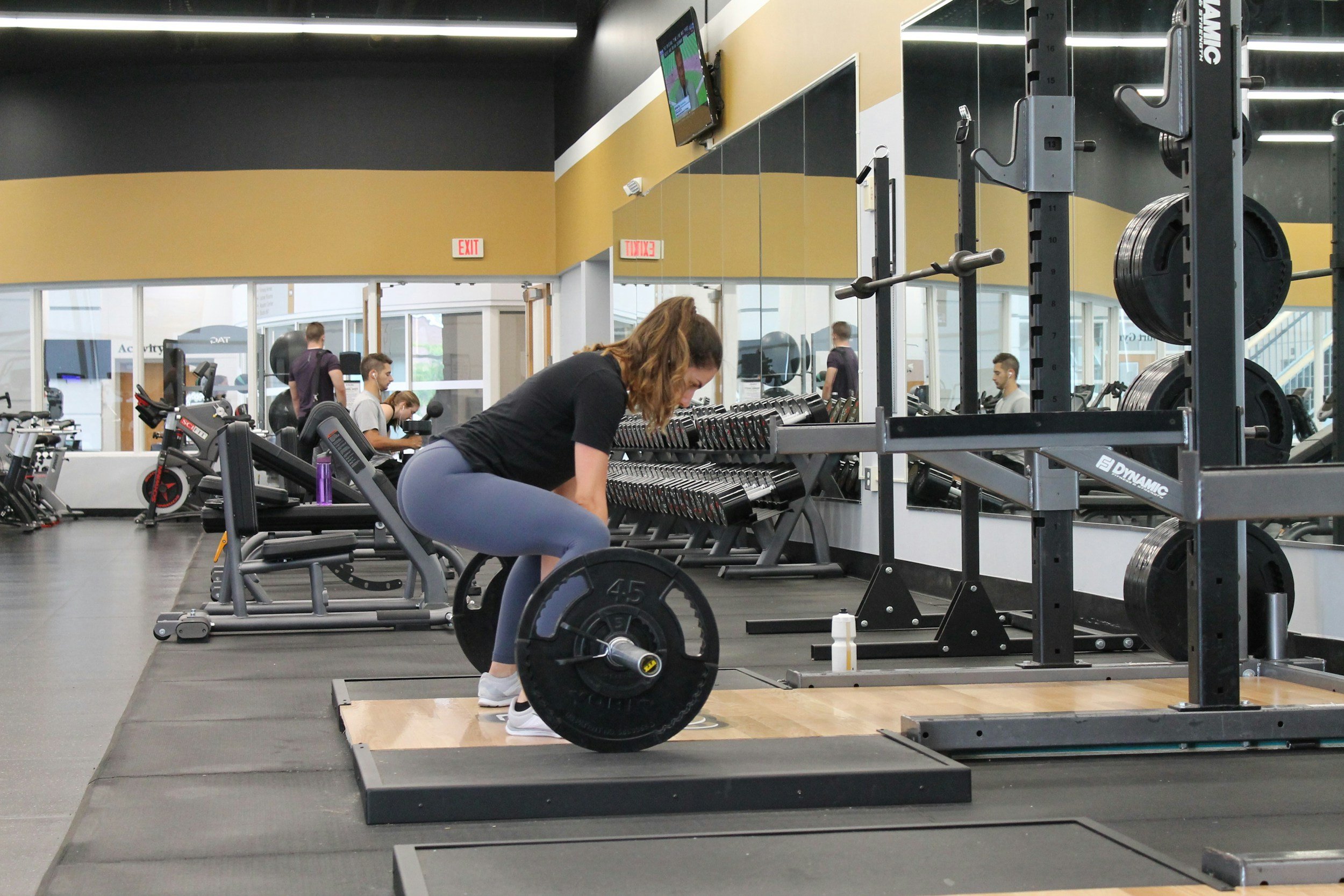
-
When to progress from rehab exercises to strength training
Assessment framework for strength training readiness and progression decisions
Patient selection and clinical decision-making
Integrating strength training into comprehensive rehab programs
Working with a collaborative collaborative approach to strength training
-
Systematic strength assessment for clinical populations
Movement quality screening and readiness evaluation
Identifying strength deficits and windows of opportunity
Clinical reasoning for exercise selection priorities
-
Essential movement patterns for clinical populations (squat, hinge, push, pull, carry)
Technique essentials for fundamental exercises
Common compensations and corrections
Equipment variations and alternatives
Regression and progression strategies
-
Evidence-based dosage parameters (sets, reps, intensity, frequency)
Progressive overload principles systematically applied
Tissue adaptation timelines (muscle, tendon, bone considerations)
Load management and periodisation basics
Applying Exercise Prescription Essentials's coaching principles to strength-specific contexts: gym intimidation, load-related fear, and the "rehab to training" identity shift
-
Strength training session structure
Weekly and monthly programming frameworks
Integration with other rehabilitation modalities
Home-based vs gym-based program design
Return to sport and athletic development considerations
-
Effective coaching cues for compound movements
Technique correction strategies and common faults
Building confidence with loaded exercises (applying Exercise Prescription Essentials principles)
Managing gym anxiety and equipment fear
Real-world case integration and working under real-life constraints
Do These Patients Sound Familiar?
Learn the strength training clinical skills to help them move forward.
-

Mark's Achilles Tendinopathy
He's a 30-year-old runner with mid-portion Achilles tendinopathy. You know he needs progressive loading, but you're uncertain about dosage - how many sets? What intensity? How fast should you progress? You've read about heavy slow resistance training, but translating research to his specific presentation feels uncertain. How do you confidently load his tendon for optimal adaptation without under- or over-loading?
-

Lisa's Chronic Shoulder Pain
She needs upper limb strength, but she's intimidated by gym equipment and weights. You know strength training would help, but you're uncertain how to coach her through loaded exercises or progress her systematically. She's afraid of making things worse. How do you build her confidence with progressive loading while managing her gym anxiety?
-

Rob's Fitness at 72
He's had a fall scare and needs lower limb strength for function and confidence. He's never been to a gym and thinks strength training is "for young people" or "too dangerous at my age." You know he needs progressive loading for fall prevention, but you're unsure how to introduce strength training appropriately while addressing his beliefs about age and strength.

From Knowing Exercises to Coaching Patients
Master evidence-based strength training that works with real patients and real constraints. Integrate systematic assessments, progressive overload principles, and strength-specific coaching strategies for confident clinical practice.
An essential addition to your exercise therapy toolkit with immediately applicable technical skills.
What You’ll Take Home

-
Strength Training Readiness Assessment Framework:
Systematic decision-making tool for determining when to progress from rehab exercises to strength training
Move you from uncertainty to confident clinical reasoning based on movement quality, tissue capacity, and psychological preparedness
Progressive Overload Systematic Framework:
Evidence-informed principles for loading progression based on tissue adaptation timelines, movement quality thresholds, and training goals
Applicable across all strength exercises and patient populations.
Essential Movement Pattern Library:
Core strength exercises organised by fundamental patterns (squat, hinge, push, pull, carry)
Technique essentials, systematic progressions, regressions, and clinical modifications.
Covers both gym-based and home-based alternatives.
Evidence-Based Dosage Parameters Guide:
Sets, reps, intensity, and frequency for different training goals (strength, hypertrophy, power, endurance) with clinical applications for rehabilitation populations
Translating research to your specific patient presentations.
Tissue Adaptation Timeline Reference:
Muscle, tendon, and bone loading considerations with progression decision-making frameworks
Know when tissues are ready for increased load and how fast to progress safely and effectively.
Lower & Upper Limb Strength Progression Guides:
Systematic progressions from bodyweight to loaded exercises for both lower and upper limb
Covering fundamental patterns with clinical reasoning for exercise selection.
Strength Program Design Templates:
Proven frameworks for session structure, weekly programming, and monthly progressions
Immediately usable across different clinical presentations and rehabilitation phases.
Technical Coaching Cue Library:
Evidence-based coaching language for fundamental strength patterns
Learn what to say, when to cue, and how to correct common faults efficiently for squat, hinge, push, and pull patterns.
Strength Training-Specific Psychology Applications
Gym intimidation and equipment fear strategies
Load-related confidence building techniques
"Rehab to training" identity shift language and approaches
Choice architecture for equipment decisions
Patient Scenario Clinical Reasoning Guides:
Complete case studies with clinical reasoning pathways for:
Mark (Achilles tendinopathy) - progressive loading for tendon adaptation
Lisa (chronic shoulder pain) - building gym confidence and managing equipment anxiety
Rob (functional strength at 72) - age-appropriate strength training and belief modification
-
Complete course workbook:
Digital workbook with access to all course content and resources
Strength training exercise library:
Comprehensive visual guides for essential strength training exercises including:
Starting positions and setup
Key coaching cues and common corrections
Systematic progressions and regressions
Clinical modifications for different pathologies
Movement quality assessment tools:
Systematic observation frameworks for assessing strength training movement quality
What to look for, how to identify compensations, and when movement is clinically adequate.
Evidence summaries:
Key research supporting strength training for clinical populations, systematic reviews on effectiveness for different conditions, and evidence-informed practice guidelines.
Implementation planning resources:
30-day and 90-day integration guides for incorporating strength training into your existing practice without overwhelming yourself or requiring immediate equipment investment.
-
30-Day implementation email support:
Direct access for questions as you begin integrating strength training into clinical practice
Troubleshooting support during critical implementation period.
Resource library access:
Ongoing access to updated exercise progressions, evidence summaries, and new clinical application strategies as research evolves.
Professional network connection:
Join practitioners implementing strength training confidently; peer support, implementation troubleshooting, and shared learning opportunities.
CPD documentation:
Certificate of completion include number of hours completed
This isn't just two days of strength training exercises - it's clinical reasoning mastery that transforms strength training from uncertain territory into a confident clinical tool.
Your Instructor

John Contreras
APA Sports & Exercise Physiotherapist
B.Physio (Hons) B.Sc M.ExSci (Strength & Conditioning) M.Sports Physio
With 24 years of clinical experience integrating strength training into physiotherapy practice and formal strength and conditioning qualifications, John has developed accessible, evidence-informed approaches that bridge rehabilitation and performance training. His workshops focus on practical application and systematic decision-making, helping physiotherapists confidently integrate strength training as a clinical tool rather than requiring comprehensive S&C certification.
This workshop combines technical excellence with real-world application, helping early-career Physios, and those looking to refine their practice, develop both strength training competence and confidence.
Who Is This Workshop For?
-
Physiotherapists who want to integrate strength training into clinical practice confidently and build an exercise therapy caseload.
-
Exercise Prescription Essentials graduates seeking to expand their exercise therapy toolkit through the rehabilitation continuum.
-
Practitioners uncertain when to progress from rehab exercises to strength training and are looking for a clinical framework.
-
Clinicians who want clinical reasoning frameworks and technical loading expertise, not just exercise demonstrations.
-
Those who currently refer patients to strength coaches and personal trainers when they “just need to get stronger”
-
Practitioners ready to make strength training a strategic clinical tool from mid-rehab through return to activity.
Highly recommended to complete Exercise Prescription Essentials first.
Exercise Prescription Essentials provides the coaching foundations (fear-avoidance, self-efficacy, collaborative approaches) and program design strategies. Strength Training Essentials shows you how to apply those principles specifically to strength training contexts - gym intimidation, load-related fear, the identity shift from "rehab" to "training."
However, if you already have strong exercise prescription and patient engagement foundations from other training, you can take this as a standalone course. You'll learn strength-specific strategies even without Exercise Prescription Essentials.
Ready To Add Strength Training To Your Clinical Tools?
Join the course waitlist for early access.
Strength Training Essentials FAQs
-
This workshop is designed for physiotherapists and health professionals who want to integrate strength training into clinical practice with confidence. It's ideal if you're uncertain when to progress from rehab exercises to strength training, how to load progressively, or how to coach compound movements. This is clinical reasoning training for strength integration, not comprehensive S&C certification.
-
We highly recommend it. Exercise Prescription Essentials provides the foundational patient engagement, exercise prescription, and program design frameworks that this workshop builds upon. Exercise Prescription Essentials graduates can focus entirely on strength training-specific clinical reasoning while simply reviewing fundamental concepts.
However, if you already have strong exercise prescription and patient engagement foundations from other training, you can take this as a standalone course. You'll learn strength-specific strategies, but the coaching applications assume you understand foundational principles like fear-avoidance, self-efficacy, and collaborative approaches
-
Exercise Prescription Essentials teaches the patient coaching and engagement skills that work across ANY exercise modality - it's the human skills foundation. Strength Training Essentials assumes you have that foundation and teaches the technical, strength training-specific knowledge: evidence-based loading parameters, tissue adaptation science, movement pattern coaching, and progressive overload decision-making.
Exercise Prescription Essentials answers: "Why don't patients follow through and how do I engage them?" Strength Training Essentials answers: "When do I progress to strength training, how much should I load, and what exercises should I prescribe?"
Additionally, Strength Training Essentials shows you how to apply Exercise Prescription Essentials' coaching principles to strength-specific contexts:
Exercise Prescription Essentials teaches fear-avoidance principles → Strength Training Essentials applies them to "this barbell is too heavy" scenarios
Exercise Prescription Essentials teaches self-efficacy building → Strength Training Essentials applies it to gym intimidation and equipment fear
Exercise Prescription Essentials teaches choice architecture → Strength Training Essentials applies it to dumbbells vs barbells, machines vs free weights
We strongly recommend taking Exercise Prescription Essentials first, then adding Strength Training Essentials for specific expertise.
-
Yes, absolutely. While you learned strength training exercises at university, this workshop focuses on what wasn't covered - clinical integration, systematic program design, progression frameworks, and coaching within rehabilitation contexts. You don't need an S&C background; you need clinical reasoning frameworks for applying strength training in practice.
-
S&C certifications are comprehensive, expensive, and focused on athletic performance. They require significant time investment and cover advanced programming for athletes. This workshop is focused on essential strength principles and clinical decision-making for rehabilitation populations. You'll leave knowing how to integrate strength training clinically, not how to train elite athletes.
-
No, and that's not the goal. This workshop qualifies you to integrate strength training into your physiotherapy practice with clinical reasoning and essential competence. It's designed to make strength training a strategic tool in your rehabilitation approach, not to replace dedicated S&C professionals. If you want formal S&C credentials, traditional certification is more appropriate.